Backpack safety tips for kids: how to check the right strap fit
A school backpack should be practical for the child carrying it, not simply the biggest bag on the shelf. A quick fit and packing check can help parents spot straps that need adjusting, unnecessary weight and bags that are too large for the daily routine.
The 60-second kids backpack fit check
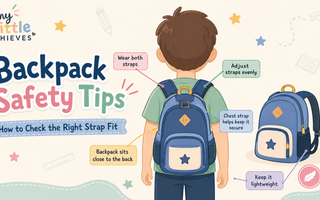
Have your child put the packed bag on and look at the fit from the front, side and back. You are checking whether the bag feels stable, whether the straps are even and whether your child can move naturally.
1. Use both shoulder straps
Both straps help the bag sit evenly. One-shoulder carrying can make the backpack twist or swing and can make a balanced load feel less comfortable.
2. Match the strap length
Adjust the shoulder straps so they are approximately even. The bag should sit close enough to the body that it does not hang far away or bounce with every step.
3. Check the bag height
The backpack should look proportional to your child rather than extending far beyond their torso. A child-sized bag is usually easier to organise and adjust than an oversized bag bought “to grow into.”
4. Fasten the chest strap if available
A chest strap can help keep shoulder straps in position. It should feel secure without being restrictive, and your child should still breathe and move normally.
5. Watch them walk
Ask your child to walk, turn and bend gently. If the bag swings dramatically, sits unevenly or makes them lean forward, check the contents and strap adjustment again.
How to pack a school backpack for better balance
Even a well-fitted bag can become awkward when everything collects at the bottom or on one side. Use the internal compartments to keep the load close and organised.
Closest to the back
Place flatter, heavier school items such as folders, books or a tablet in the compartment nearest the back panel when the bag design allows.
Middle of the bag
Use the central area for the lunch box and other medium-sized essentials. Avoid allowing one bulky item to pull the bag noticeably to one side.
Outer pockets
Keep lighter items, tissues and small accessories in front pockets so the front of the bag does not become the heaviest area.
Side bottle pocket
Use the bottle pocket when available, but remember that a full bottle adds weight. If there are two side pockets, keep the overall load as balanced as practical.
If your child regularly reports pain, numbness, tingling or discomfort when carrying school items, reduce the load and speak with an appropriate healthcare professional for individual advice.
Choose a backpack around the school stage
Age is only one part of the decision. The school list, child height, lunch setup and whether books stay at school all affect the size you need.
Nursery and preschool
Prioritise a child-sized bag, straightforward zips, room for a small lunch setup and straps your child can wear comfortably. Extra capacity is not always useful at this stage.
Primary school
Children may need more space for A4 folders, books and stationery. Look for organised compartments and make a habit of removing items that are not needed that day.
Current school backpack picks
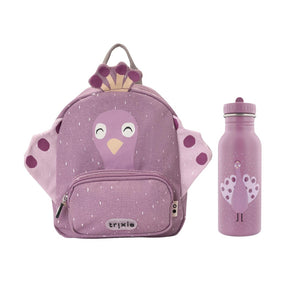
A mix of sizes and styles makes it easier to choose around the child and school list rather than one “universal” size.


Kids backpack FAQs
How tight should kids backpack straps be?
They should hold the bag close to the body without digging into the shoulders or neck. Both straps should be adjusted to a similar length so the bag sits evenly.
Where should a child's backpack sit?
It should look proportional to the child's torso and should not hang dramatically below the lower back or swing far away from the body.
Is a chest strap useful?
When the backpack includes one, a comfortably adjusted chest strap can help keep the shoulder straps in place while the child walks.
How often should I check the fit?
Recheck after growth spurts, when the school load changes or whenever the bag begins to sit unevenly. A quick weekly check is easy to add to the school reset.
Should I buy a much bigger bag so it lasts longer?
Not necessarily. Extra size can encourage overpacking and may be harder for a younger child to manage. Choose around the current school list and child rather than maximum capacity.
Find the right school bag for the routine
Compare child-sized backpacks, lightweight options and ready-made school sets, then adjust the final fit for the child who will carry it.