7 gentle ways to help your preschooler adjust to school
Starting nursery or preschool can feel like a very big change to a small child. The most useful preparation is often simple: familiar routines, manageable responsibilities and school items they already know how to use.
This UAE parent guide focuses on practical ways to make the first days of school feel more predictable without expecting your child to be perfectly confident from day one.
What helps before the first school morning?
Preschool readiness is not about teaching a child to do everything independently. It is about making the everyday parts of the school day feel less unfamiliar. A child who has already practised opening a lunch box, carrying a backpack, drinking from a bottle and saying goodbye at the door has a few reassuring reference points when the real day begins.
Make mornings predictable
Use a similar order for waking up, breakfast, getting dressed, brushing teeth and putting on shoes. A visual or spoken routine can help little ones understand what comes next.
Practise school gear
Let your child try zips, bottle lids, lunch containers and backpack straps at home. Choose only a few tasks at a time so practice stays playful.
Use simple school language
Talk about concrete parts of the day such as story time, snack time, play, drawing and seeing the teacher. Specific moments are easier to imagine than a vague “big school day.”
Keep goodbye reassuring
Choose a short goodbye routine you can repeat. A hug, one phrase and a confident handover can become a familiar signal that you will return later.
7 gentle ways to support the preschool transition
Create a familiar morning rhythm
Keep the order of the morning as consistent as your household allows. Children often cope better with change when the steps immediately before school are predictable.
Talk positively without forcing excitement
It is fine if your child feels unsure. Instead of repeatedly asking whether they are excited, describe what they can expect and acknowledge that new places can take time to feel familiar.
Practise opening and closing essentials
Use the lunch box and water bottle during a picnic, playdate or snack at home. Familiar lids and compartments can reduce frustration during a busy school break.
Give one small responsibility
Ask your child to place their bottle in the side pocket, carry the lunch bag to the door or put the pencil case into the backpack. Small jobs build participation without putting the full routine on them.
Let them choose one detail
Offer two or three suitable backpack prints, bottle colours or lunch designs. A limited choice helps school gear feel personal while keeping the final option practical.
Keep after-school questions gentle
A tired preschooler may not answer “How was school?” straight away. Try a smaller question such as “What was snack time like?” or allow some quiet decompression before asking.
Praise effort and small progress
Notice carrying the bag, remembering the bottle, trying a new routine or entering class with a little less hesitation. Progress during the first weeks can be gradual.
A simple 5-day preschool practice plan
Day 1: Backpack
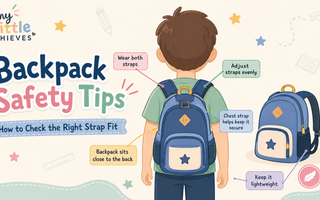
Let your child wear the bag with both straps, find the main pocket and place one lightweight item inside.
Day 2: Lunch
Serve a familiar snack in the school lunch box and practise opening, closing and packing it away.
Day 3: Hydration
Use the school bottle for the day and check that your child can identify it and drink from it comfortably.
Day 4: Morning rehearsal
Get dressed, pack the essentials and walk to the door as if it were a school morning, without rushing.
Day 5: Calm reset
Prepare the bag together the night before, then keep the final evening relaxed. Repetition matters more than squeezing in extra practice.
Preschool essentials for little routines
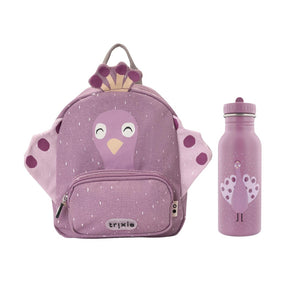
These current picks cover the everyday jobs children are most likely to practise: carrying, eating, drinking and organising.


Preschool transition FAQs
What if my child is not excited about preschool?
That can happen. Keep the language calm and concrete, avoid pressuring them to feel excited and give the new routine time to become familiar.
What school skill should we practise first?
Choose the task your child will use most often, such as opening the lunch box, drinking from the bottle or putting the backpack on with both straps.
Should a preschooler pack their own backpack?
They can help with one or two simple items while an adult checks the final bag. Participation is the goal; full responsibility is not necessary.
How can I make mornings less rushed?
Prepare dry items, clothes and the clean bag the night before. Keep one school station near the door for shoes, backpack and lunch bag.
What if settling in takes longer than expected?
Children adjust at different speeds. Keep communicating with the teacher and seek professional advice if you have concerns about your child's wellbeing or development.
Build a preschool routine they can recognise
Start with a few practical essentials, practise them at home and add only what your child's nursery or preschool day actually needs.